






























Ayini Organics
Login / Register

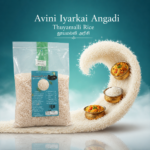
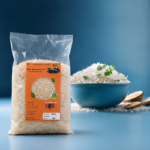
Thuyamalli Rice: The Heritage Jasmine-Bud Grain of the Cauvery Delta


Cauvery Delta · Tamil Nadu

Thuyamalli Rice

The Heritage Jasmine-Bud Grain of South India

Published August 25, 2026

5 min read

A Grain with a Story

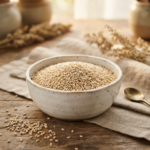
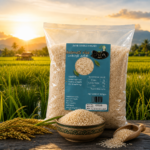
A slender, pearly-white heirloom rice named for the freshly opened jasmine bud it resembles at harvest — grown the same way for generations along the Cauvery river basin.

The Grain

What is Thuyamalli Rice?

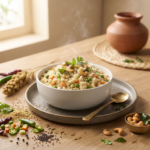
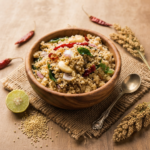
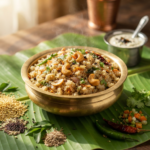
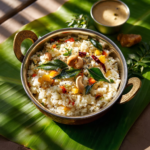
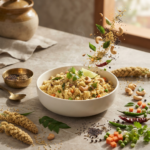
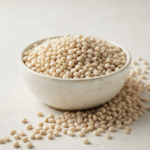
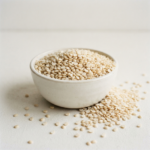
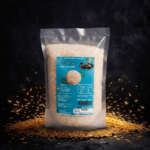
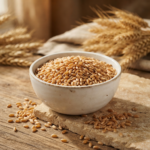
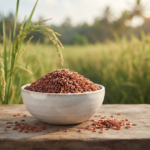
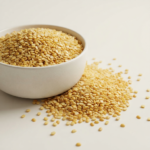
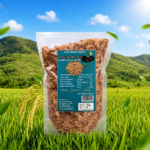
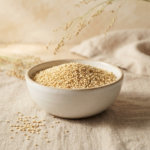
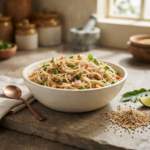
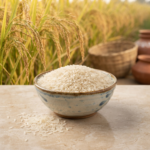
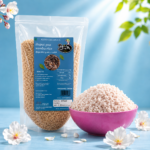
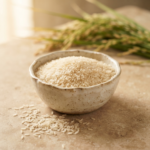
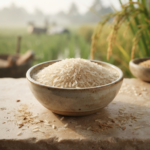
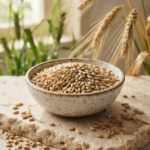
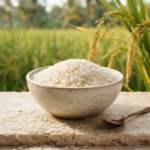
Thuyamalli (also spelled Thooyamalli) is a traditional, non-hybrid rice variety native to Tamil Nadu, cultivated for centuries in the fertile paddies of the Cauvery delta. Its name comes from two Tamil words — thooya (pure) and malli (jasmine) — a nod to the way its ear-heads resemble a jasmine bud just before flowering.

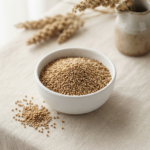
The grains are long, slender, and pearly white, cooking up soft and only lightly fragrant, with a texture somewhere between everyday ponni rice and a fine banquet rice. Farmers have long valued the crop for being naturally hardy against common pests, which historically meant less reliance on chemical intervention in the field.

Per 100g · Uncooked

Nutrition at a Glance

359

kcal · Energy

7.5g

Protein

80g

Carbohydrate

5.3g

Dietary Fibre

1.0g

Fat

48mg

Sodium

Figures are approximate and vary by harvest, milling, and supplier.

Why Cooks Reach For It

Key Benefits

01

Jasmine-Like Aroma

Carries a subtle, natural fragrance that enhances meals without overpowering dishes.

02

High Fibre Content

Contains ~5g fibre per 100g, making it significantly more nutritious than polished white rice.

03

Soft & Fluffy Texture

Cooks tender without becoming sticky, ideal for daily meals, biryani, and batters.

04

Naturally Pest Resistant

Inherently hardy grain allowing farmers to cultivate it with minimal chemical pesticides.

05

Culinary Versatility

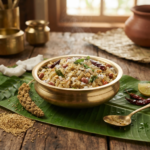
Works seamlessly in plain steamed rice, festive biryanis, curd rice, or idli/dosa batters.

06

Preserves Heritage

Supporting native non-hybrid seeds keeps ancient agricultural practices alive.

In the Kitchen

How to Prepare

Step 01

Rinse & Soak

Rinse 2–3 times until water runs clear. Soak for 20–30 minutes to soften grains.

Step 02

Water Ratio

Use 1:2 ratio (rice to water) for pot cooking, or 1:2.5 for pressure cookers.

Step 03

Pairings

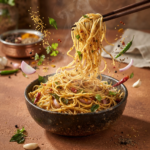
Pairs perfectly with Sambar, Rasam, traditional curries, or ground into batters.

Step 04

Storage

Store in an airtight container in a cool, dry place. Best consumed within 6 months.

Got Questions?

Frequently Asked Questions

Is Thuyamalli rice suitable for daily consumption?


Yes, absolutely. Thuyamalli is lightweight, easy to digest, and rich in fiber, making it an excellent healthier replacement for standard polished white rice in daily meals.

Is Thuyamalli rice suitable for diabetic diets?


While it is a white rice variety, traditional non-hybrid grains like Thuyamalli generally have a lower glycemic index and higher fiber than modern refined white rice. However, individuals managing diabetes should consult their dietitian for personalized portion guidance.

How does it compare to Basmati or Jasmine rice?


Unlike Basmati, which expands significantly in length when cooked, Thuyamalli retains a moderately slender shape. Its fragrance is softer and more subtle than Basmati or Thai Jasmine rice, allowing it to blend smoothly into South Indian traditional recipes.

Can I use Thuyamalli rice for Idli and Dosa batter?


Yes! When soaked and ground with urad dal, Thuyamalli yields soft, fluffy idlis and crisp dosas with a delicate, pleasing taste.

Bring Heritage Back to Your Table

Experience the authentic taste, soft texture, and nutritional goodness of native Cauvery delta rice.


Shop Thuyamalli Rice →

Thuyamalli Rice
Traditional Rice
Tamil Nadu Heritage
Native Rice
Organic
Cauvery Delta

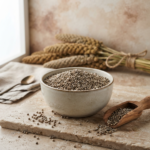
Detox Seeds: Benefits, Uses & Easy Ways to Add Seed Blends to Your Daily Diet


Seed Nutrition • Everyday Food

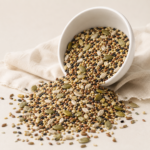
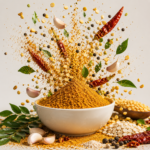
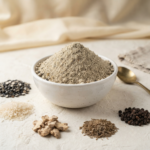
Detox Seeds: A Simple Seed Blend for Everyday Wellness

Discover an easy and enjoyable way to include nutrient-rich seeds in
your daily meals, snacks and breakfast routine.

What Are Detox Seeds?

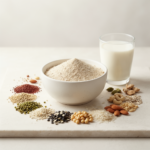
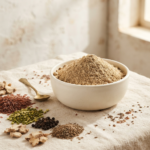
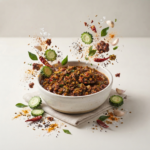
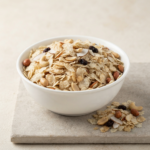
Detox Seeds are a convenient combination of selected edible seeds
that can add crunch, texture and nutritional variety to everyday food.
Instead of relying on a single ingredient, a seed blend brings
together different flavours and nutritional characteristics in one
easy-to-use mix.

They can be enjoyed in simple ways such as sprinkling over breakfast
bowls, mixing into salads, adding to homemade snacks or enjoying as
part of a balanced daily diet.

Why Choose a Seed Blend?

🌻

Variety

A blend lets you enjoy different seeds and textures in one serving.

🥄

Convenience

Keep one ready-to-use seed mix in your kitchen for quick additions
to everyday foods.

Texture

Seeds can bring a pleasant crunch to otherwise soft or simple dishes.

Key Benefits of Including Seed Blends

01

Adds Nutritional Variety

Different seeds naturally provide a combination of protein,
dietary fibre, fats, minerals and other nutrients.

02

Convenient Everyday Ingredient

A ready seed blend makes it easy to add a little extra variety
to regular meals without complicated preparation.

03

Complements a Balanced Diet

Seeds can complement a varied diet when enjoyed alongside
vegetables, fruits, whole grains and other nutritious foods.

04

Easy to Enjoy in Many Ways

From breakfast bowls to homemade snack mixes, the possibilities
are simple and flexible.


Everyday Ideas

6 Easy Ways to Use Detox Seeds

🥣 Breakfast Bowls

Sprinkle over oats, porridge, millet bowls or homemade breakfast dishes.

🥗 Salads

Add a spoonful over vegetable salads for extra crunch and texture.

🥛 Smoothies

Blend a suitable quantity into homemade smoothies or breakfast drinks.

🍯 Homemade Energy Bites

Combine with suitable nuts, dates or other ingredients to make
simple homemade snack bites.

🥣 Yogurt & Curd

Sprinkle over plain yogurt or curd for a quick textural upgrade.

🍚 Everyday Meals

Use as a finishing sprinkle over suitable rice, vegetable or grain dishes.

A Simple Seed Routine


STEP 1

Choose Your Meal

Pick breakfast, a snack, salad or another suitable everyday meal.


STEP 2

Add a Small Portion

Sprinkle or mix the seed blend according to your preference.


STEP 3

Enjoy Consistently

Make it part of a varied and balanced eating routine.

Nutritional Highlights

Depending on the seeds included in the blend, seed mixes can naturally
contribute protein, fibre, unsaturated fats and a range of minerals.
The nutritional composition will vary according to the ingredients
and their proportions.

P

Protein

Naturally present

F

Fibre

Naturally present

UF

Healthy Fats

Naturally occurring

M

Minerals

Naturally occurring

Mild & Nutty

Seed blends generally have a pleasant nutty character that pairs
easily with both sweet and savoury foods.

Naturally Crunchy

Their texture makes them a simple way to add contrast to soft foods
such as porridge, yogurt and smoothies.

How to Store Detox Seeds

Keep It Dry

Moisture can affect the freshness and texture of seeds.

Use an Airtight Container

Keep the blend protected from air and moisture.

Avoid Direct Sunlight

Store in a cool, dry place away from direct sunlight.

Use a Dry Spoon

Always use clean and dry utensils when handling the product.

Who Can Add Seed Blends to Their Diet?

Seed blends can be a useful addition for anyone who enjoys nuts, seeds
and plant-based foods as part of their regular meals.

They work particularly well for people looking for convenient ingredients
that can be added to breakfast bowls, snacks, salads and homemade recipes.

How Much Should You Use?

There is no single serving size that suits everyone. Start with a small
quantity and adjust according to your food preferences and overall diet.
If you are introducing several seeds for the first time, begin gradually.


Make Seeds Part of Your Everyday Menu

Discover the Goodness of a Simple Seed Blend

Add texture, variety and plant-based nutrition to your everyday meals
with an easy-to-use seed blend.


Shop Detox Seeds

Note: This article provides general information about
food and nutrition. Nutritional composition can vary depending on the
ingredients and proportions used in a seed blend. Please check the product
label for specific ingredient and nutritional information.

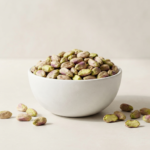
Green Pumpkin Seeds (Poosani Vidhai): Benefits, Uses & Easy Ways to Enjoy Them

Traditional Food • Everyday Nutrition

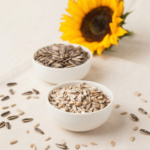
Green Pumpkin Seeds / Poosani Vidhai

A simple, crunchy and versatile seed that can bring texture, flavour and natural nutrition to your everyday meals.

What Are Green Pumpkin Seeds?

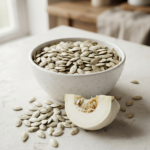
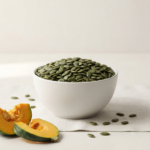
Green Pumpkin Seeds, traditionally known as Poosani Vidhai, are the edible seeds obtained from pumpkin. Once cleaned and dried, these naturally crunchy seeds can be enjoyed on their own or added to a variety of everyday foods.

With their mild nutty flavour and satisfying crunch, pumpkin seeds are an easy ingredient to include in breakfast bowls, salads, snacks, smoothies and homemade recipes.

Why Include Green Pumpkin Seeds in Your Diet?

🌱 Plant-Based Nutrition

Pumpkin seeds provide plant-based protein along with naturally occurring fats and other nutrients.

🥜 A Good Source of Healthy Fats

They naturally contain unsaturated fats, making them a useful addition to a balanced everyday diet.

💪 Contains Protein

Their protein content makes pumpkin seeds a convenient ingredient for adding variety to meals and snacks.

🌾 Naturally Contains Minerals

Pumpkin seeds naturally provide minerals such as magnesium, zinc and iron as part of their nutritional profile.

Benefits of Adding Pumpkin Seeds to Everyday Meals

  • Provides a convenient plant-based source of protein.
  • Adds crunch and a pleasant nutty flavour to foods.
  • Contains naturally occurring unsaturated fats.
  • Offers naturally occurring minerals and other nutrients.
  • Easy to include in both traditional and modern recipes.
  • A practical ingredient for homemade snacks and breakfast foods.

How to Use Green Pumpkin Seeds

1. Enjoy as a Snack

Eat them as they are or lightly roast them for a crunchy homemade snack.

2. Add to Breakfast

Sprinkle over porridge, oats, millet bowls or breakfast mixes.

3. Add to Salads

Use a small handful as a crunchy topping for fresh vegetable salads.

4. Blend into Smoothies

Add a small quantity to homemade smoothies or nutrition bowls.

5. Use in Homemade Recipes

Mix into granola, energy bites, homemade snack mixes or seed blends.

6. Use as a Topping

Sprinkle over soups, rice dishes or other meals for additional texture.

Simple Roasted Pumpkin Seeds

  1. Take cleaned green pumpkin seeds.
  2. Heat a dry pan on a low flame.
  3. Add the seeds and roast gently.
  4. Stir continuously so they roast evenly.
  5. Roast until they become lightly crisp and aromatic.
  6. Allow them to cool completely.
  7. Enjoy as a simple snack or add them to your favourite dishes.

Nutritional Profile

Pumpkin seeds are naturally nutrient-dense seeds containing protein, dietary fats, fibre and a variety of minerals. Their exact nutritional values can vary depending on the variety, growing conditions and processing method.

🌱

Protein

Plant-based source

🥜

Healthy Fats

Naturally occurring

🌾

Fibre

Naturally present

Minerals

Naturally occurring

Best Ways to Enjoy Poosani Vidhai

The easiest way to enjoy pumpkin seeds is to keep them simple. A small portion can be added to meals according to your personal dietary preferences.

For a more flavourful option, lightly roast them and combine them with other seeds, nuts or dried ingredients to create your own homemade snack mix.

Storage Tips

  • ✓ Store in a clean, dry and airtight container.
  • ✓ Keep away from direct sunlight and moisture.
  • ✓ Use a clean, dry spoon when handling.
  • ✓ Follow the storage and use-by instructions provided on the product packaging.

Who Can Enjoy Pumpkin Seeds?

Pumpkin seeds can be included as part of a varied, balanced diet for people who enjoy seeds and plant-based foods. They are especially convenient for anyone looking for simple ingredients to add to breakfast, snacks and everyday recipes.

What to Look for When Buying Pumpkin Seeds

  • ✓ Clean and properly dried seeds
  • ✓ Fresh appearance and pleasant natural aroma
  • ✓ Hygienically packed product
  • ✓ Clear packaging and storage information
  • ✓ Reliable source and proper food-handling practices

Make Every Meal a Little More Interesting

Green Pumpkin Seeds, or Poosani Vidhai, are a simple everyday ingredient
with a naturally nutty taste and satisfying crunch. Add them to your
favourite foods and discover an easy way to bring more variety to your
daily meals.


Shop Green Pumpkin Seeds

Note: This article is intended for general food and nutrition information. Nutritional values may vary based on the product, variety and processing method. This content is not intended to diagnose, treat or prevent any disease.

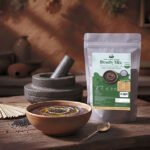
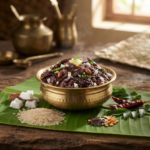
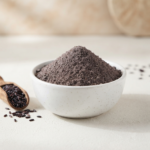
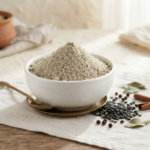
Black Rice Health Mix / Karuppu Kavuni Kanji Mix – Traditional South Indian Kanji


Traditional South Indian Food

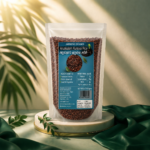
Black Rice Health Mix / Karuppu Kavuni Kanji Mix

A traditional-style black rice mix crafted for simple homemade kanji and breakfast preparations. Discover its distinctive color, earthy character, and easy ways to enjoy it in everyday cooking.

🍚

Black Rice Base

Made around the distinctive character of Karuppu Kavuni, a traditional black rice variety.

🥣

Kanji Friendly

Designed for convenient preparation of warm, homemade kanji-style recipes.

🌾

Traditional Roots

A convenient way to bring heritage grain-based cooking into your modern kitchen.


Understanding the Mix

What Is Black Rice Health Mix?

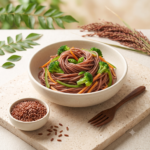
Black Rice Health Mix, also known as Karuppu Kavuni Kanji Mix, is a convenient grain-based blend inspired by the historical use of Karuppu Kavuni rice in South Indian food culture.

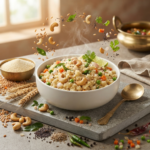
Instead of sorting and processing raw grains from scratch every time, this ready-to-use mix lets you whisk up a warm, nourishing kanji dish effortlessly. It can be prepared easily using water, milk, or other preferred liquids.

Why Karuppu Kavuni Kanji Mix Stands Out

01

Naturally Distinctive Color

Pure black rice imparts a characteristic deep purple to dark violet appearance upon cooking.

02

Earthy Grain Character

Delivers a rich, nutty flavor profile traditional to heritage black rice variants.

03

Effortless Preparation

Streamlines cooking times so you can enjoy wholesome morning porridges in minutes.

04

Flexible Customization

Easily adaptable into sweet or savory preparations depending on your personal preference.


Sensory Profile

What Does It Taste Like?

The flavor profile is profoundly earthy, grain-forward, and satisfyingly rich, adapting seamlessly to traditional sweeteners or spices.

Flavor

Earthy, rich, and naturally wholesome.

Appearance

Deep violet to striking dark purple hue.

Consistency

Adjustable from light drinkable to thick porridge.

Best Served

Warm and comforting for breakfasts or light dinners.


Easy Steps

How to Prepare Black Rice Kanji Mix

Follow these simple guidelines to make a smooth, lump-free kanji every single time.

STEP 01

Measure

Take the desired quantity of mix based on your serving size.

STEP 02

Dilute

Mix with water or milk thoroughly to prevent lump formation.

STEP 03

Simmer

Cook over medium heat, stirring continuously until smooth.

STEP 04

Enjoy

Serve warm with preferred seasonings, jaggery, or salt.

Frequently Asked Questions

Can I make both sweet and savory kanji?

Yes! It pairs wonderfully with jaggery and coconut milk, or buttermilk and cumin for a savory variation.

How should I store the mix after opening?

Keep it tightly sealed in a cool, dry airtight container, utilizing a dry spoon for scooping.


Authentic Heritage Grain

Bring Karuppu Kavuni to Your Table

Incorporate traditional black rice nutrition into your family’s morning routine effortlessly.


Explore Mix

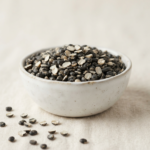
Red Soiled Toor Dal / Mankattiya Thuvaram Paruppu – Traditional South Indian Dal

Red Soiled Toor Dal / Mankattiya Thuvaram Paruppu – A Traditional Dal for Everyday Cooking

Discover the traditional taste, texture and cooking character of Red Soiled Toor Dal,
also known as Mankattiya Thuvaram Paruppu. A familiar ingredient in South Indian kitchens,
this dal is a versatile choice for sambar, dal, kuzhambu and everyday home-style recipes.

What Is Red Soiled Toor Dal?

Red Soiled Toor Dal is a traditional-style toor dal associated with the familiar cooking
traditions of South India. It is also known as Mankattiya Thuvaram Paruppu in Tamil.
The dal is valued in everyday cooking for its distinctive appearance, comforting texture
and suitability for a wide range of traditional dishes.

Once cooked, the dal becomes soft and blends naturally into gravies and preparations.
Its familiar earthy character pairs well with spices, vegetables, tamarind and other
ingredients commonly used in South Indian cooking.

What Makes Mankattiya Thuvaram Paruppu Different?

Traditional Kitchen Ingredient

Mankattiya Thuvaram Paruppu fits naturally into traditional South Indian cooking,
making it suitable for familiar everyday recipes.

Distinctive Appearance

The dal has a characteristic earthy appearance that adds a traditional touch to
your pantry and cooking routine.

Soft Texture When Cooked

With proper cooking, the dal softens well and can be used to create smooth or
lightly textured dal preparations.

Versatile for Everyday Recipes

Use it in sambar, dal, kuzhambu, vegetable combinations and other homemade
South Indian preparations.

Taste and Texture of Red Soiled Toor Dal

Red Soiled Toor Dal has a familiar earthy taste that works particularly well with
traditional Indian spices and tempering ingredients. When cooked until soft, it
develops a pleasant consistency that can be adjusted according to the recipe.

For sambar and dal-based gravies, the cooked lentils can be blended into a smooth
consistency. For some home-style preparations, they can be left slightly textured
to complement vegetables and other ingredients.

Key Features of Red Soiled Toor Dal

If you are looking for a traditional dal for regular cooking, Mankattiya Thuvaram Paruppu
offers several practical characteristics that make it easy to include in different recipes.

  • Traditional-style toor dal for Indian cooking
  • Known as Mankattiya Thuvaram Paruppu in Tamil
  • Suitable for traditional South Indian recipes
  • Develops a soft texture when properly cooked
  • Works well with spices, vegetables and tamarind-based preparations
  • Suitable for both everyday and special home-cooked meals
  • Can be used in sambar, dal and kuzhambu-style recipes
  • A versatile pantry ingredient for homemade cooking

Red Soiled Toor Dal Product Details

Understanding the basic characteristics of the dal can help you choose the right
ingredient for your everyday cooking needs.

Product
Red Soiled Toor Dal

Tamil Name
Mankattiya Thuvaram Paruppu

Cooking Character
Softens when cooked properly

Flavour
Mild, earthy and suitable for spiced preparations

Common Uses
Sambar, dal, kuzhambu and traditional South Indian recipes

How to Cook Red Soiled Toor Dal

Cooking methods can vary depending on the recipe and equipment used. Washing the dal
before cooking and using sufficient water are simple steps for preparing it.

  1. Measure the required quantity of Red Soiled Toor Dal.
  2. Wash the dal thoroughly with clean water.
  3. Add the dal to a suitable cooking vessel with sufficient water.
  4. Cook until the grains become soft and suitable for your recipe.
  5. Mash or whisk the cooked dal according to the desired consistency.
  6. Add the cooked dal to sambar, dal, kuzhambu or your preferred preparation.

Cooking time and water quantity may vary depending on the cooking method, soaking time
and the particular batch of dal.

Delicious Ways to Use Red Soiled Toor Dal

Mankattiya Thuvaram Paruppu can be used in many familiar South Indian recipes.
Here are some simple ideas for adding it to your regular cooking.

Traditional Sambar

Cook the dal with vegetables, tamarind and traditional spices to prepare a
comforting South Indian sambar.

Simple Dal

Prepare a straightforward dal with cooked lentils, spices and a simple tempering
of your choice.

Vegetable Dal

Combine cooked toor dal with seasonal vegetables for a flavourful homemade
everyday dish.

Dal Kuzhambu

Use cooked dal as a base for a traditional kuzhambu-style preparation with
spices and vegetables.

Rice and Dal

Pair a simple dal preparation with steamed rice and your favourite vegetable
side dishes.

Traditional Home Cooking

Experiment with family-style recipes that use toor dal as a base for rich,
comforting gravies.

Tips for Cooking Mankattiya Thuvaram Paruppu

Wash Before Cooking

Rinse the dal thoroughly before adding it to your cooking vessel.

Use Enough Water

Use an appropriate amount of water based on your cooking method and the consistency
you want for the finished dish.

Adjust the Texture

Mash or whisk the cooked dal more thoroughly for smooth gravies, or leave it
slightly textured for certain home-style dishes.

Match It With Spices

Traditional spices, curry leaves, mustard seeds and other tempering ingredients
can complement the dal in many recipes.

How to Store Red Soiled Toor Dal

Proper storage helps keep your dal in good condition between uses.

  • Store the dal in a clean, dry and airtight container.
  • Keep the container away from moisture.
  • Store it in a cool, dry area of your kitchen.
  • Always use a clean, dry spoon when taking dal from the container.

What to Look for When Buying Red Soiled Toor Dal

When choosing Mankattiya Thuvaram Paruppu, consider the appearance of the grains,
packaging condition and information provided by the seller.

Grain Appearance

Look for clean, reasonably uniform grains appropriate for the variety.

Packaging

Choose properly sealed packaging that is suitable for storing the dal.

Product Information

Check the product label for details such as net quantity, storage instructions
and other applicable information.

Bring Traditional Toor Dal to Your Kitchen

Explore the familiar taste and cooking versatility of Red Soiled Toor Dal,
also known as Mankattiya Thuvaram Paruppu. From everyday sambar and dal to
traditional kuzhambu recipes, it is a practical ingredient for home cooking.


Buy Red Soiled Toor Dal

Frequently Asked Questions About Red Soiled Toor Dal

What is Red Soiled Toor Dal?

Red Soiled Toor Dal is a traditional-style toor dal used in Indian cooking.
It is also known as Mankattiya Thuvaram Paruppu in Tamil.

What is Mankattiya Thuvaram Paruppu?

Mankattiya Thuvaram Paruppu is the Tamil name used for this style of toor dal,
which is commonly used in traditional South Indian cooking.

What can I make with Red Soiled Toor Dal?

It can be used to prepare sambar, dal, vegetable dal, kuzhambu and a variety
of traditional South Indian recipes.

How should I cook Red Soiled Toor Dal?

Wash the dal, add sufficient water and cook until soft. The cooked dal can then
be mashed or whisked depending on the recipe.

Is Red Soiled Toor Dal suitable for sambar?

Yes. Toor dal is commonly used as a base for sambar and other South Indian
dal-based preparations.

How should I store Mankattiya Thuvaram Paruppu?

Store it in a clean, dry, airtight container in a cool and dry area away from moisture.

Bring the familiar character of traditional South Indian cooking to your kitchen
with Red Soiled Toor Dal / Mankattiya Thuvaram Paruppu and explore different
homemade recipes to suit your taste.

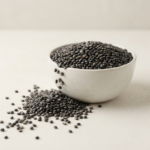
Karuppu Kavuni Rice – Traditional Black Rice with a Naturally Rich Taste

Karuppu Kavuni Rice – A Traditional Black Rice for Everyday Cooking

Discover the unique taste, texture and natural dark colour of Karuppu Kavuni Rice.
A traditional South Indian rice variety that brings a distinctive touch to everyday meals,
desserts and special recipes.

What Is Karuppu Kavuni Rice?

Karuppu Kavuni Rice is a traditional black rice variety known for its naturally deep
purple-black colour and distinctive grain texture. It has been part of traditional
South Indian food culture and is now becoming a popular choice for people who enjoy
exploring different varieties of rice.

When cooked, Karuppu Kavuni Rice develops a beautiful dark purple shade and a pleasantly
chewy texture. Its earthy, mildly nutty flavour makes it suitable for both traditional
and modern recipes.

Why Choose Karuppu Kavuni Rice?

Naturally Dark Colour

Its deep natural colour gives your dishes a distinctive and attractive appearance
without relying on artificial colouring.

Distinctive Taste

Enjoy an earthy flavour with a mildly nutty character that makes Karuppu Kavuni
different from ordinary white rice.

Unique Texture

Once cooked, the grains offer a pleasantly firm and chewy texture that works well
in a variety of recipes.

Versatile Ingredient

Use it for traditional sweet dishes, rice bowls, breakfast preparations and creative
homemade recipes.

Key Product Benefits of Karuppu Kavuni Rice

Choosing Karuppu Kavuni Rice is a simple way to add variety to your kitchen. Here are
some of the reasons food lovers enjoy this traditional rice:

  • Traditional South Indian rice variety
  • Naturally deep purple-black appearance when cooked
  • Earthy and mildly nutty flavour
  • Pleasantly firm and chewy texture
  • Suitable for both sweet and savoury recipes
  • A visually appealing choice for festive and special dishes
  • A great option for exploring traditional grains and regional food varieties
  • Can be incorporated into a variety of homemade recipes

What Makes Our Karuppu Kavuni Rice Special?

When choosing Karuppu Kavuni Rice, the quality and character of the grains matter.
Our product is selected for customers who appreciate traditional rice varieties and
want a distinctive ingredient for their kitchen.

Variety
Traditional Karuppu Kavuni variety

Appearance
Naturally dark purple-black grains

Taste
Earthy with a mildly nutty character

Texture
Firm and pleasantly chewy when cooked

Uses
Sweet dishes, savoury recipes, breakfast and special preparations

How to Cook Karuppu Kavuni Rice

Karuppu Kavuni Rice has firm grains, so soaking before cooking is a convenient way to
prepare it.

  1. Wash the rice thoroughly.
  2. Soak the rice for a few hours or overnight.
  3. Drain the soaked rice.
  4. Cook with sufficient water until the grains become soft.
  5. Allow the cooked rice to rest briefly before serving.

Cooking time and water requirements may vary depending on the cooking method and product.

Delicious Ways to Use Karuppu Kavuni Rice

Karuppu Kavuni Sweet Rice

A traditional-style sweet preparation with a naturally rich colour.

Rice Pudding

Create an eye-catching dessert with the distinctive colour of black rice.

Breakfast Recipes

Experiment with homemade breakfast dishes using this traditional grain.

Rice Bowls

Pair cooked Karuppu Kavuni Rice with your favourite vegetables and sides.

Festive Recipes

Its striking colour makes it an attractive choice for special occasions.

Creative Homemade Dishes

Try it in your favourite rice-based recipes for something different.

Ready to Try Karuppu Kavuni Rice?

Bring home the distinctive colour, flavour and texture of traditional Karuppu Kavuni Rice.
Whether you are preparing a classic sweet dish or experimenting with a new recipe,
this unique rice variety can add something special to your kitchen.


Buy Karuppu Kavuni Rice

Frequently Asked Questions

What is Karuppu Kavuni Rice?

Karuppu Kavuni Rice is a traditional black rice variety known for its naturally
dark colour, distinctive flavour and firm texture.

What does Karuppu Kavuni Rice taste like?

It has an earthy flavour with a mildly nutty character and a pleasantly chewy texture.

Can Karuppu Kavuni Rice be used for sweet dishes?

Yes. It can be used to prepare traditional-style sweet rice, puddings and other
rice-based desserts.

Does Karuppu Kavuni Rice have a natural dark colour?

Yes. The grains naturally have a dark colour that develops into a deep purple-black
shade when cooked.

Why should I buy Karuppu Kavuni Rice?

If you enjoy traditional grains, distinctive flavours and interesting ingredients,
Karuppu Kavuni Rice is a unique addition to your kitchen.

Cart (0)

Your cart is empty

Looks like you haven't added anything to your cart yet.

Start Shopping

Chat With Us

We typically reply in minutes