





































Ayini Organics
Login / Register

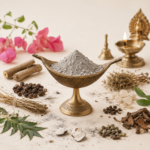
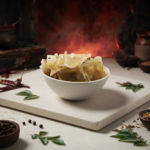
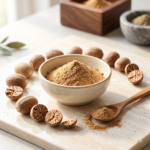
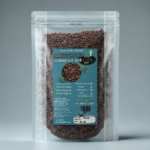
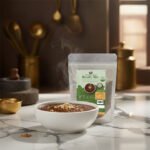
Inknut Powder (Kadukkai Podi): The One-Ingredient Powder Behind Traditional Tamil Hair Care

Traditional Herbal Powder

Inknut Powder

Kadukkai Podi

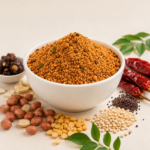
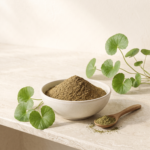
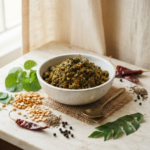
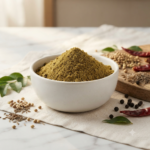
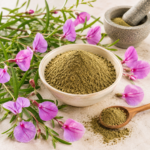
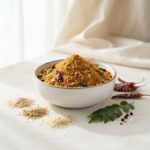
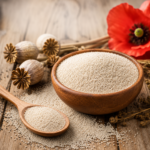
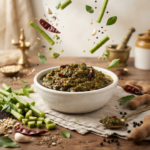
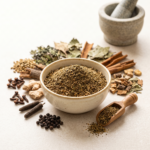
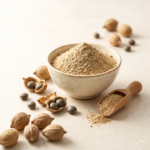
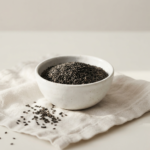
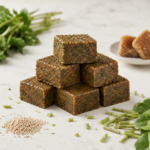
A simple single-ingredient powder made from sun-dried Kadukkai fruit,
traditionally used in Tamil households as part of hair care, oral care,
and digestive routines passed down through generations.

Ingredient

Kadukkai

Form

Fine Powder

Ingredient Type

Single Ingredient

What is Kadukkai Podi?

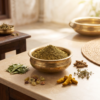
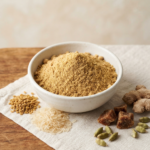
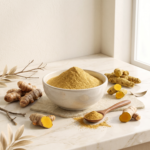
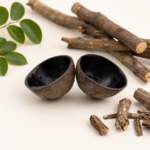
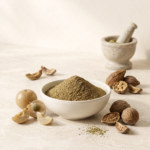
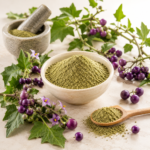
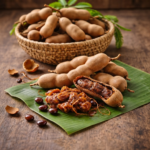
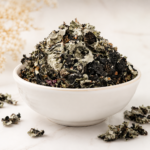
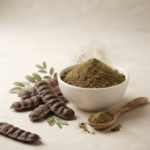
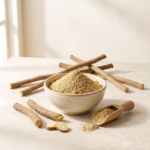
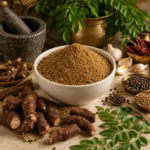
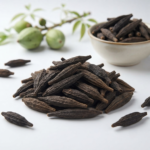
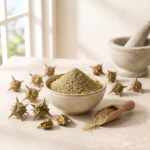
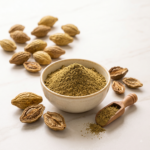
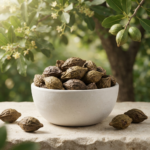
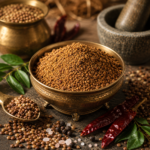
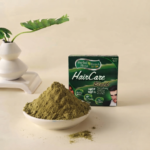
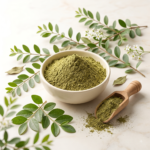
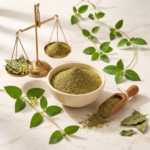
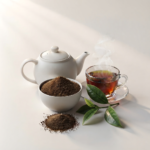
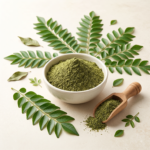
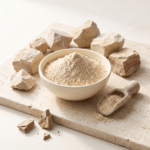
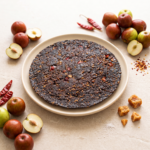
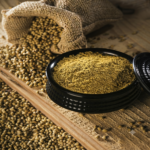
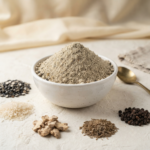
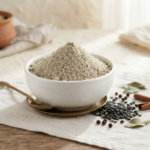
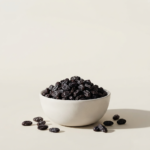
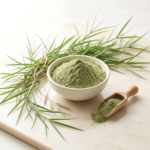
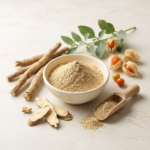
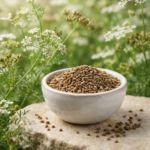
Kadukkai, also known as Inknut or Black Myrobalan, is the dried fruit
of the Terminalia chebula tree. It has been traditionally used across
South India and holds a familiar place in Tamil household practices.

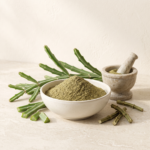
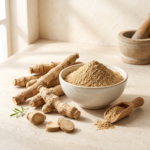
The dried fruit is traditionally cleaned, dried, and ground into a
fine powder. Kadukkai Podi is commonly used in different traditional
preparations, including hair-care routines, oral-care practices, and
digestive herbal preparations.

Our Kadukkai Podi is made from a single ingredient — dried Kadukkai
fruit — with nothing else added.

“One simple ingredient, deeply rooted in traditional Tamil household practices.”

Ingredient

Kadukkai (Inknut / Terminalia chebula) Fruit

Traditional Uses of Kadukkai Podi

Traditional Hair Care

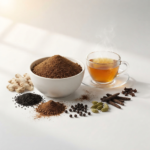
Kadukkai Powder is traditionally included in herbal hair packs and
may be combined with ingredients such as shikakai, hibiscus, or amla.

Traditional Oral Care

In some South Indian household practices, a small amount of Kadukkai
Powder is mixed with warm water and used as a traditional mouth rinse.

Traditional Digestive Use

Kadukkai has a long history of traditional use in digestive herbal
preparations and household routines. It is traditionally included
in various preparations used after meals or as part of digestive
wellness practices.

Simple Single Ingredient

Made from dried Kadukkai fruit alone, this powder is simple to use
and easy to combine with traditional home-care preparations.

Rooted in Tamil Tradition

Kadukkai is a well-known ingredient in traditional Tamil and Siddha
practices and has been passed down through generations.

Easy to Store

As a dried powder, Kadukkai Podi can be stored conveniently when kept
in an airtight container away from moisture and direct sunlight.

These notes describe traditional uses and household practices and are
not intended as medical claims. For advice regarding regular internal
use or any health condition, please consult a qualified healthcare
professional.

How to Use Kadukkai Podi

1

Hair Pack

Mix 1–2 teaspoons with water, curd, or a suitable carrier oil to
make a smooth paste. It can also be combined with traditional
hair powders such as shikakai, hibiscus, or amla.

2

Traditional Mouth Rinse

A small pinch may be mixed with warm water and used as a rinse,
following traditional household practice. Do not swallow the rinse.

3

Traditional Digestive Use

Kadukkai is traditionally used in different herbal preparations
for digestive routines. For internal consumption, preparation and
quantity may vary, so follow appropriate traditional guidance or
consult a qualified professional.

4

Storage

Store in an airtight container in a cool, dry place. Keep away
from moisture and direct sunlight to maintain its quality and aroma.

Frequently Asked Questions

Is this pure Kadukkai Powder?

Yes. It is a single-ingredient powder made from dried Kadukkai fruit.

Can I mix Kadukkai Powder with other hair powders?

Yes. Traditionally, Kadukkai is combined with ingredients such as
shikakai, hibiscus, and amla in herbal hair-pack preparations.

Is Kadukkai traditionally used for digestion?

Yes. Kadukkai has a long history of traditional use in digestive
herbal preparations and household routines.

How should I store Kadukkai Powder?

Keep it in an airtight container in a cool, dry place away from
moisture and direct sunlight.

Does Kadukkai have a strong taste?

Kadukkai naturally has an earthy and slightly bitter taste,
characteristic of the dried fruit.

Can it be used every day?

Traditional usage varies depending on the preparation and purpose.
For internal use, it is better to seek appropriate professional
guidance rather than assuming daily use is suitable.

A Simple Powder with a Long Tradition

Kadukkai Podi is a simple, single-ingredient herbal powder with a long
history in Tamil household traditions. From traditional hair-care and
oral-care practices to digestive herbal preparations, Kadukkai continues
to be valued as part of traditional Indian knowledge.

Pure ingredient. Traditional preparation. Rooted in Tamil heritage.


Shop Inknut Powder

This article describes traditional and household uses of Kadukkai Podi.
It is not intended to diagnose, treat, cure, or prevent any disease.
For internal use, pregnancy, medication use, or existing health
conditions, consult a qualified healthcare professional.

Sprouted Multigrain Healthmix (Mulaikattiya Sathu Maavu): A Traditional Grain Blend in a Jar


Traditional Sprouted Grain Mix

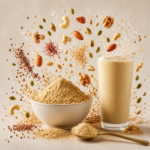
Sprouted Multigrain Healthmix

Mulaikattiya Sathu Maavu

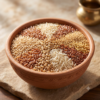
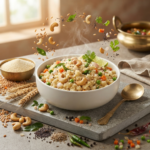
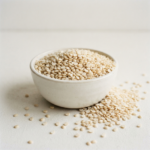
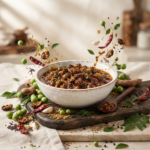
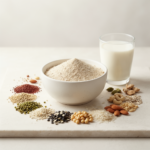
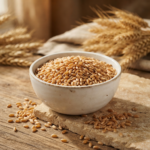
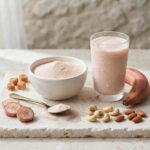
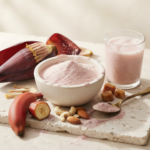
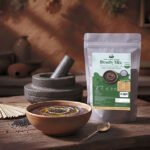
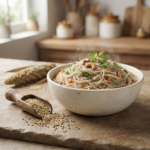
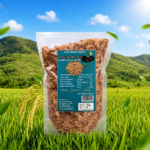
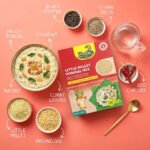
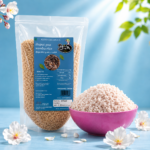
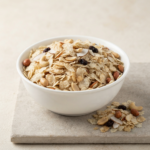
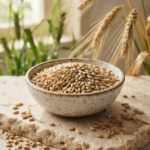
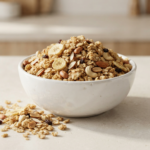
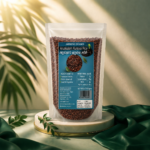
A wholesome blend of sprouted millets, grains, lentils, and nuts, slow-dried and ground the traditional way — a warm, nourishing drink loved across generations in Tamil households.

The Mix

What is Sathu Maavu?

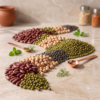
Sathu Maavu, literally “nutritious flour,” is a traditional South Indian health mix made by sprouting, sun-drying, roasting, and grinding a combination of millets, grains, lentils, and nuts together. Every household has its own version passed down through the family, and this one brings together seventeen different ingredients in a single jar.

Sprouting the grains and lentils before drying is the step that sets Sathu Maavu apart from an ordinary flour mix — it’s a slower, more deliberate process rooted in traditional food preparation.

What’s Inside

17 Traditional Ingredients

Finger Millet
Pearl Millet
Samba Wheat
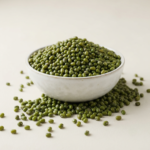
Green Gram
White Sorghum
Red Sorghum
Black Urad Dal
Roasted Gram
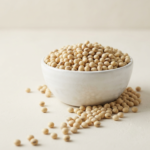
Soya
Horse Gram
Mappillai Samba Rice
Little Millet (Samai)
Almonds (Badam)
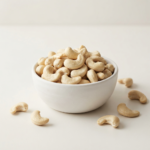
Cashew Nuts
Barley
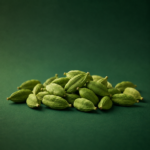
Cardamom
Dry Ginger

Why People Love This Mix

What Makes It a Good Everyday Choice

01

Seventeen Ingredients in One Jar

Millets, lentils, nuts, and warming spices pre-mixed so you get broad traditional grain variety without measuring out separate jars daily.

02

Naturally Filling

Between the millets, lentils, and nuts, this mix creates a substantial drink suited for a light breakfast or evening meal.

03

Warming, Mild Flavour

Cardamom and dry ginger round off the mix with gentle warmth, balancing well with jaggery or a pinch of salt.

04

Made the Traditional Way

Sprouting, sun-drying, and slow-grinding mirror home kitchen techniques passed down for generations.

05

Flexible to Prepare

Cook with water for lightness or milk for extra richness. Sweeten with palm jaggery or prepare savory.

06

Easy to Fit into a Routine

Takes about five minutes on the stove, making it a fast addition to busy mornings or evening wind-downs.

These notes describe general qualities of the product as a food and are not medical or health claims. For dietary advice tailored to any health condition, please speak with a qualified nutritionist or doctor.

In the Kitchen

How to Prepare

Step 01

Make a Smooth Paste

Mix required quantity with room-temperature water to create a smooth, lump-free paste.

Step 02

Cook It Through

Add required water and cook over medium heat for 5 minutes, stirring continuously.

Step 03

Sweeten or Season

Add palm jaggery, country sugar, or a pinch of salt according to your taste.

Step 04

Optional Richness

Prepare with milk instead of water for a richer, more indulgent drink.

Got Questions?

Frequently Asked Questions

Why are the grains and lentils sprouted first?


Sprouting breaks down complex starches, enhances nutrient absorption, and makes the grains and lentils easier to digest compared to raw or un-sprouted flour mixes.

Is this mix suitable for toddlers and seniors?


Yes, Sathu Maavu has traditionally been fed to toddlers (1+ years) and older adults as a gentle, nutrient-dense meal. Always check the ingredient list for potential nut or soy allergies.

Can I consume it cold or as a smoothie?


Because it contains raw sprouted grains, it must be cooked on the stove first. Once cooked and cooled, you can blend it into cold drinks or smoothies if preferred.

How long does a jar stay fresh?


When stored in a clean, airtight container in a dry place, it retains its fresh flavor for up to 6 months. Use a dry spoon for serving.

A Traditional Mix, Ready in Minutes

Sprouted Multigrain Healthmix brings a whole pantry of traditional grains, lentils, and nuts into one easy jar — a small daily habit rooted in an ancient way of eating.


Buy Sprouted Multigrain Healthmix →

Tags

Sathu Maavu
Sprouted Multigrain Mix
Millet Health Mix
Traditional South Indian Food
Natural Grain Mix
Homemade Style Health Drink
Millets and Lentils
Tamil Nadu Food Heritage

The Forgotten Elixir: How Banana Stem Water Brought Balance Back to My Mornings

“By late morning, the fatigue would settle in — heavy eyelids, a foggy head, and a restlessness that no amount of coffee could shake.”

Like a lot of people juggling long screen-hours and back-to-back calls, Arjun’s days had quietly slipped into a routine he never consciously chose: coffee before breakfast, lunch eaten at his desk, and water bottles that stayed fuller than they should by the end of the day. He felt fine, mostly — until “mostly fine” started to feel like the wrong bar to aim for.

He tried a few things. A green juice subscription. A fitness app. A cabinet of supplements that all promised something big and delivered a shrug. None of it stuck, and none of it felt like his. What he found himself missing wasn’t a trend — it was something simpler. He thought back to summers at his grandmother’s house in Tamil Nadu, where a certain pale, faintly earthy drink would appear on the kitchen counter most mornings: banana stem juice, made fresh, no explanation needed.

🌿 A Familiar Taste, Rediscovered

Banana stem — vaazhai thandu — has long held a quiet, steady place in Tamil kitchens. Not as a trend, but as a habit passed down without much fanfare: something you drank because your grandmother did, and her mother before her. Arjun remembered the process being tedious — the peeling, the chopping, the extracting — which was exactly why it had faded from his own routine once life got busier.

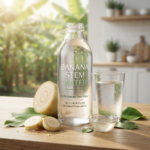
What brought it back wasn’t nostalgia alone, but the discovery that this traditional preparation could now be found bottled and ready, without the hours of prep or the shelf full of additives most modern drinks come with — just the plant, prepared the way it always had been.

A Simple Morning Ritual

Arjun began keeping it simple: a small serving first thing in the morning, before coffee, before his phone. Just him, a glass, and a few quiet minutes before the day’s noise began. It wasn’t dramatic. It was just consistent.

Over the following weeks, he noticed the shift less in any single moment and more in the accumulation of ordinary days — mornings that felt a little lighter, a routine that felt like his own again rather than something borrowed from an ad.

Why Banana Stem Water, Traditionally

In Tamil food culture, banana stem has long been valued as part of a balanced, plant-based routine. Traditionally, it has been associated with:


  • Everyday hydration — the stem is naturally rich in water content, making it a refreshing addition to a daily routine.

  • Digestive comfort — a long-standing staple in South Indian households, often served alongside meals for its light, easy-on-the-stomach quality.

  • A cooling effect on the body — considered a “cooling” food in traditional Tamil dietary wisdom, especially valued in warmer months.

  • A fibre-rich, plant-based habit — a simple way to bring whole-plant nutrition into a modern routine without processed additives.

These reflect traditional culinary use and general wellness practices, not clinical claims. As with any dietary change, individual results vary, and this is not a substitute for professional medical advice.

How to Bring It Into Your Day

Daily Routine

  • Consume as a morning beverage
  • Best taken on an empty stomach
  • Sip slowly rather than gulping
  • Pair with a few quiet, screen-free minutes

Storage Care

  • Close the bottle tightly after each use
  • Store in a cool, dry place
  • Keep away from direct sunlight
  • Do not refrigerate

Returning to What Worked All Along

For Arjun, the appeal was never that banana stem water was new or extraordinary. It was the opposite — it was old, familiar, and unremarkable in exactly the way that made it easy to stick with. In a routine full of things he was trying to optimize, this was the one thing he simply returned to.

Some habits don’t need to be reinvented. Sometimes they just need to be remembered.

Bring This Tradition Into Your Morning

Explore Ayini’s Vaazhai Kudineer — banana stem water made the traditional way, ready for a modern routine.


Shop Vaazhai Kudineer Now

Cart (0)

Your cart is empty

Looks like you haven't added anything to your cart yet.

Start Shopping

Chat With Us

We typically reply in minutes